Book online now

For an alert look – gentle, effective, and individual

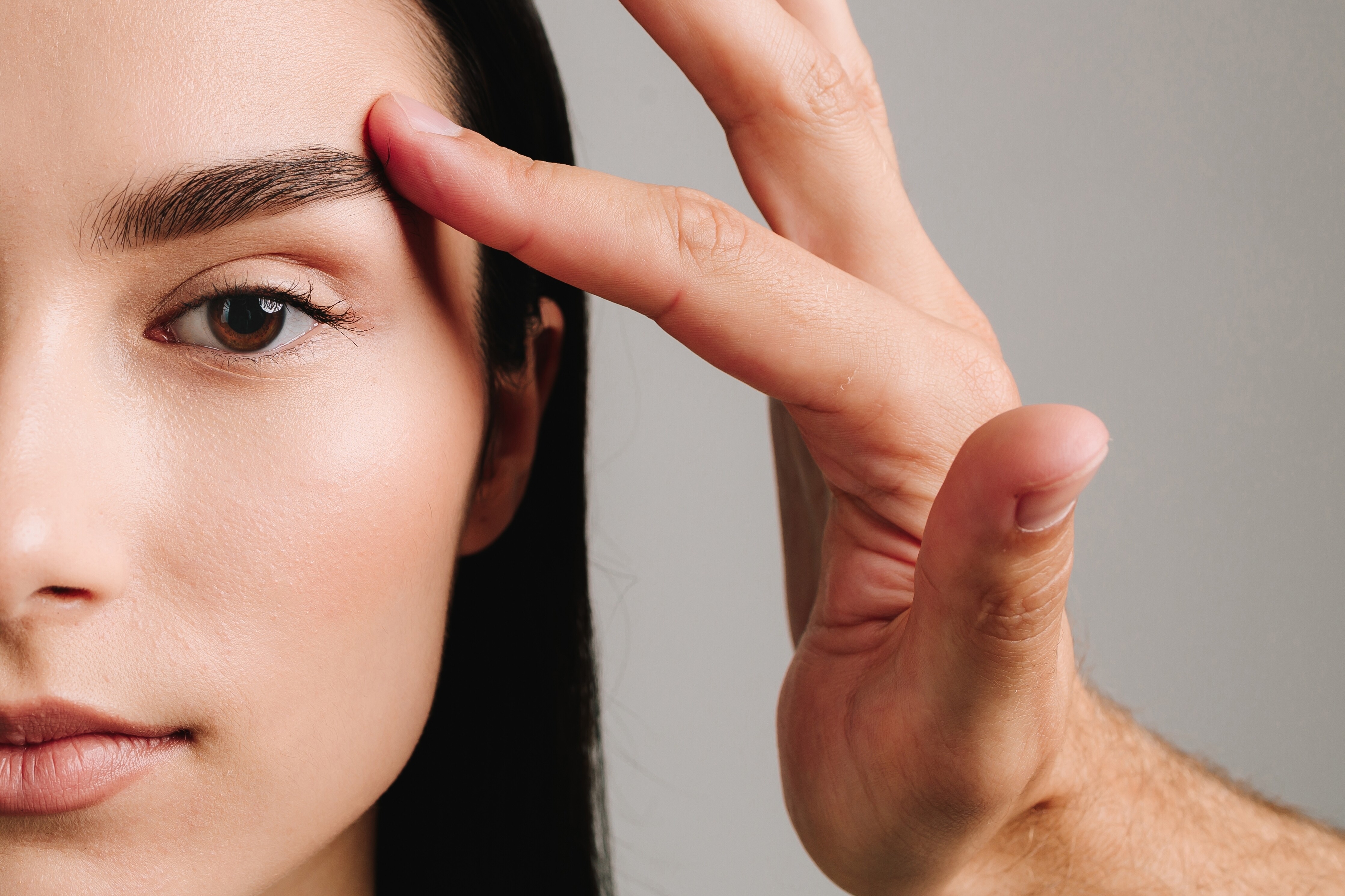
Over the years, the skin on the face changes—especially in the area of the eyelids, as the skin there is particularly thin. Droopy eyelids, excess skin, or a tired facial expression are among the most common reasons why patients are interested in an upper eyelid lift.

In our practice, we receive many questions about this procedure every day. In this blog post, we answer the most common and important questions about upper eyelid lifts—honestly, medically sound, and clearly explained.
Shutterstock 2520593897

What is an upper eyelid lift?

The upper eyelid lift – also called upper blepharoplasty – is a surgical procedure to remove excess skin, fatty tissue, or sagging muscles in the area of the upper eyelids.

The goal is a fresh, alert look that rejuvenates the overall appearance without appearing artificial. At the same time, the procedure can also alleviate functional discomfort, such as when the eyelid skin restricts the field of vision.

When is an upper eyelid lift advisable?

An upper eyelid lift can be indicated both aesthetically and medically. Typical complaints that patients approach us with:

  • Tired or sad facial expression, despite sufficient sleep
  • Droopy eyelids that cover the movable lid
  • Visual field restrictions in the lateral view
  • Pressure or heaviness on the eyelids
  • Difficulty with applying makeup to the eye area
  • Desire for a rejuvenated, more natural appearance

In a personal consultation, we will jointly assess whether an operative eyelid correction is sensible – medically, aesthetically, and in relation to your personal expectations.

How does the procedure work?

Upper eyelid tightening is a comparatively short, outpatient procedure that is usually performed under local anesthesia with or without twilight sedation. If desired, treatment under general anesthesia is also possible.

Procedure in brief:

  1. Marking the incision line along the natural eyelid crease
  2. Removal of excess skin, possibly also fat or muscle tissue
  3. Finest suture technique to leave as inconspicuous a scar as possible
  4. Short monitoring phase after the operation

Duration of the procedure: about 45 to 60 minutes

How long does the healing take?

The initial healing phase lasts about 7 to 10 days. During this time, slight swelling, bruising, or feelings of tightness may occur – these are normal and usually subside quickly.

The stitches are removed after 7 days. Light makeup use is possible again from around the 10th day.
Sports, saunas, and sunbathing should be avoided for about 2 to 3 weeks.

The final result is usually visible after about 6 to 12 weeks.

Do scars remain?

The fine incision is made in the natural crease of the eyelid and is barely visible to not visible at all after complete healing. We use special, aesthetic suture techniques to achieve a result with as few scars as possible. Initially, the scars are darker and hardened as part of their normal maturation.

Regular sun protection and proper care support inconspicuous scar formation.

Is the result permanent?

Yes – the result of an upper eyelid lift usually lasts many years.
Naturally, the tissue continues to age, but most patients report long-term satisfaction and visibly rejuvenated eye areas that are maintained for many years.

From what age is an upper eyelid lift advisable?

There is no age limit.
Most patients choose to undergo the procedure at the age between 40 and 65 years. In some cases – such as genetically caused droopy eyelids – treatment may be advisable even earlier.

What matters is not the age, but the individual anatomy and personal perception. It is also positive that the procedure can be repeated if sagging occurs again. The same scar is used for this.

Is the procedure associated with risks?

As with any surgical procedure, there are certain risks associated with upper eyelid tightening, including:

  • Swelling or bruising
  • Temporary feeling of dryness in the eyes
  • Asymmetries or feeling of tension
  • Infections or wound healing disorders (very rare)

Through careful planning, precise surgical techniques, and experienced specialists, the overall risk is very low.

Is the upper eyelid lift covered by health insurance?

If the excess eyelid skin visibly restricts the field of vision, in individual cases, coverage by statutory or private health insurance is possible.

For this, an ophthalmologist's report is usually required. In all other cases, it is considered a cosmetic procedure, the costs of which must be borne privately. Accordingly, no certificate of incapacity for work can be issued.

We are happy to provide you with individual and transparent advice on this matter.

Conclusion

Small surgery - big impact

The upper eyelid lift is a safe, effective procedure with a comparatively short recovery time and long-lasting effects. It is ideal for anyone who wishes to regain a bright, fresh facial expression without looking artificial or operated on.

In our practice, individual consultation, medical safety, and aesthetic sensitivity are at the forefront. We are happy to accompany you on the path to a new, carefree look.

Schedule an appointment

Do you suffer from tired or heavy-looking eyes due to drooping upper eyelids? An upper eyelid lift can restore freshness and openness to your gaze – without looking artificial. Schedule a consultation appointment at our practice in Zurich today. We will calmly explain the procedure to you and reliably guide you on the path to a rejuvenated, alert expression.